


The Biz Reporter
Srinagar, Nov 21:
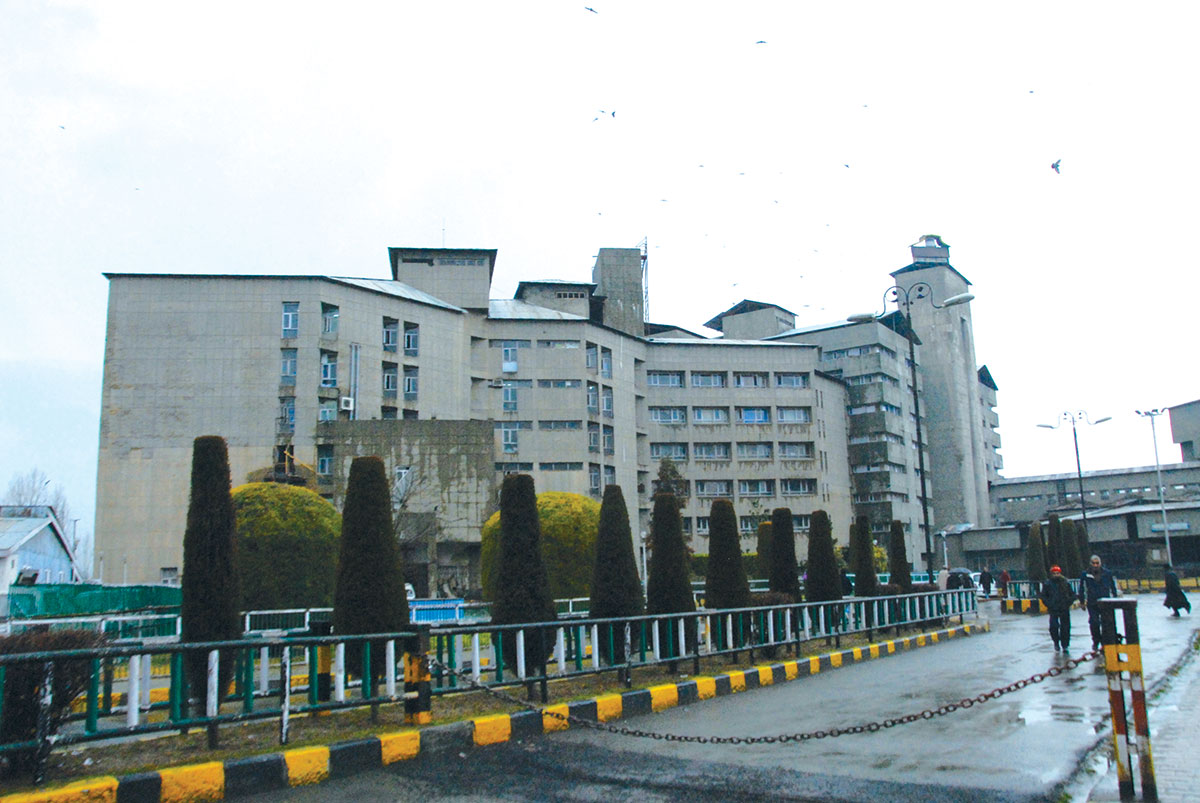
With temperatures already dipping across the Valley, the Sher-i-Kashmir Institute of Medical Sciences (SKIMS), Soura has issued an extensive winter advisory urging the public to follow strict preventive measures to reduce rising cases of respiratory infections, cardiovascular events, asthma exacerbations, and neurologic emergencies such as stroke and seizures.
Released by the Department of Internal & Pulmonary Medicine, the advisory stresses that colder months in Kashmir witness a surge in viral illnesses, pneumonia, COPD flare-ups, hypertension-related complications, and cardiac events—conditions that can become life-threatening if neglected.
Winter Vulnerability Explained
Doctors at SKIMS caution that viruses like COVID-19, Influenza, and RSV spread more easily in winter due to poor ventilation, crowding, and the tendency of people to stay indoors. Cold air also constricts blood vessels, increasing the risk of:
Heart attacks
Stroke
Hypertensive crises
Worsening asthma and COPD
Respiratory infections
The institute emphasises that preventive behaviour and early detection can significantly reduce hospital admissions.
Detailed Do’s: What SKIMS Advises
The SKIMS advisory lays out a 12-point protocol designed especially for elderly individuals, heart patients, children, and people with chronic lung diseases.
- Dress in Layers
Wear multiple layers to trap heat and maintain body warmth. The institute notes that hypothermia and sudden blood pressure fluctuations are common triggers of winter emergencies. - Limit Exposure to Cold Air
Exposure to freezing temperatures can precipitate asthma attacks, heart strain, and bronchospasm. SKIMS advises staying indoors during peak cold hours. - Cover Nose and Mouth Outdoors
Cold air inhalation irritates airways; covering the nose reduces respiratory stress and protects against infections. - Avoid Overcrowded Areas
Winter crowding is a major driver of viral spread. SKIMS warns that hospitals see a spike in flu and pneumonia cases every year due to close indoor gatherings. - Maintain Hand Hygiene
Frequent hand washing reduces transmission of seasonal viruses like flu and RSV, which can be severe in the elderly. - Hydrate Well
Dehydration thickens mucus and worsens respiratory symptoms. SKIMS encourages increased intake of warm fluids. - Exercise Indoor
Indoor physical activity helps maintain lung function, heart health, and circulation. Even light exercises reduce winter-related stiffness and breathlessness. - Prevent Falls on Slippery Surfaces
Proper footwear with good traction is essential. Falls on icy paths are a significant winter hazard, especially for elderly patients. - Prioritise Sleep & Stress Management
Poor sleep can weaken immunity. Stress is also a seizure trigger; SKIMS recommends 7–9 hours of sleep and relaxation techniques. - Get Vaccinated
Vaccines against Influenza and Pneumonia dramatically reduce severity of infections. The advisory notes: “Better late than never.” - Monitor Blood Pressure Regularly
Cold weather increases the workload on the heart. Hypertensive patients are advised to continue medications without fail. - Follow Doctor’s Advice Strictly
Patients with chronic conditions like asthma or COPD must adhere to their action plans and maintenance inhalers to avoid emergency hospital visits.
Detailed Don’ts: What to Avoid
The advisory lays equal emphasis on practices that can worsen winter illnesses.
- Don’t Smoke
Smoking irritates lungs, weakens immunity, and multiplies the risk of severe respiratory infections. - Don’t Expose Yourself to Cold Air Unprotected
Cold exposure can cause bronchospasm and trigger heart stress. - Don’t Skip Regular Medications
SKIMS cautions that asthma and COPD patients must never miss inhalers; rescue inhalers should always be accessible. - Avoid Strenuous Outdoor Activity
Shovelling snow or heavy exertion in freezing temperatures can precipitate heart attacks. - Don’t Use Space Heaters Without Ventilation
Improper heating causes dryness in the air, worsening cough and wheezing. Poorly ventilated heaters also pose risks of carbon monoxide exposure. - Avoid Unnecessary Antibiotics
Viral infections dominate in winter; antibiotics are ineffective and lead to dangerous antimicrobial resistance, the advisory warns.
When to Report to Hospital: Warning Signs
SKIMS lists clear red flags that require immediate medical attention:
Increasing frequency of cough and breathlessness
Appearance of high fever with worsening oxygen levels
Chest pain, discomfort, or sudden breathlessness (may indicate heart attack)
Arm/leg weakness, facial drooping, difficulty walking or speaking (may indicate stroke)
Symptoms not controlled with routine medications
Doctors emphasise that timely reporting can prevent severe complications and save lives.
Home Oxygen Guidelines
Home oxygen should only be considered when:
Oxygen saturation falls below 88% (as measured by pulse oximeter)
The target oxygen saturation should be maintained between 89–92%, and patients must remain in touch with healthcare providers for dosage adjustments.
Public Appeal
The advisory concludes with a strong reminder:
“Stay Indoors, Stay Safe”
Helpline numbers for assistance have been made available: 01942403679 and 01942401013 (Ext: 2321, 2322).
SKIMS urges the public to take the advisory seriously to help reduce avoidable emergency cases during the peak of winter, especially among vulnerable populations such as seniors, heart patients, and those with chronic lung diseases.


