


The Biz Reporter
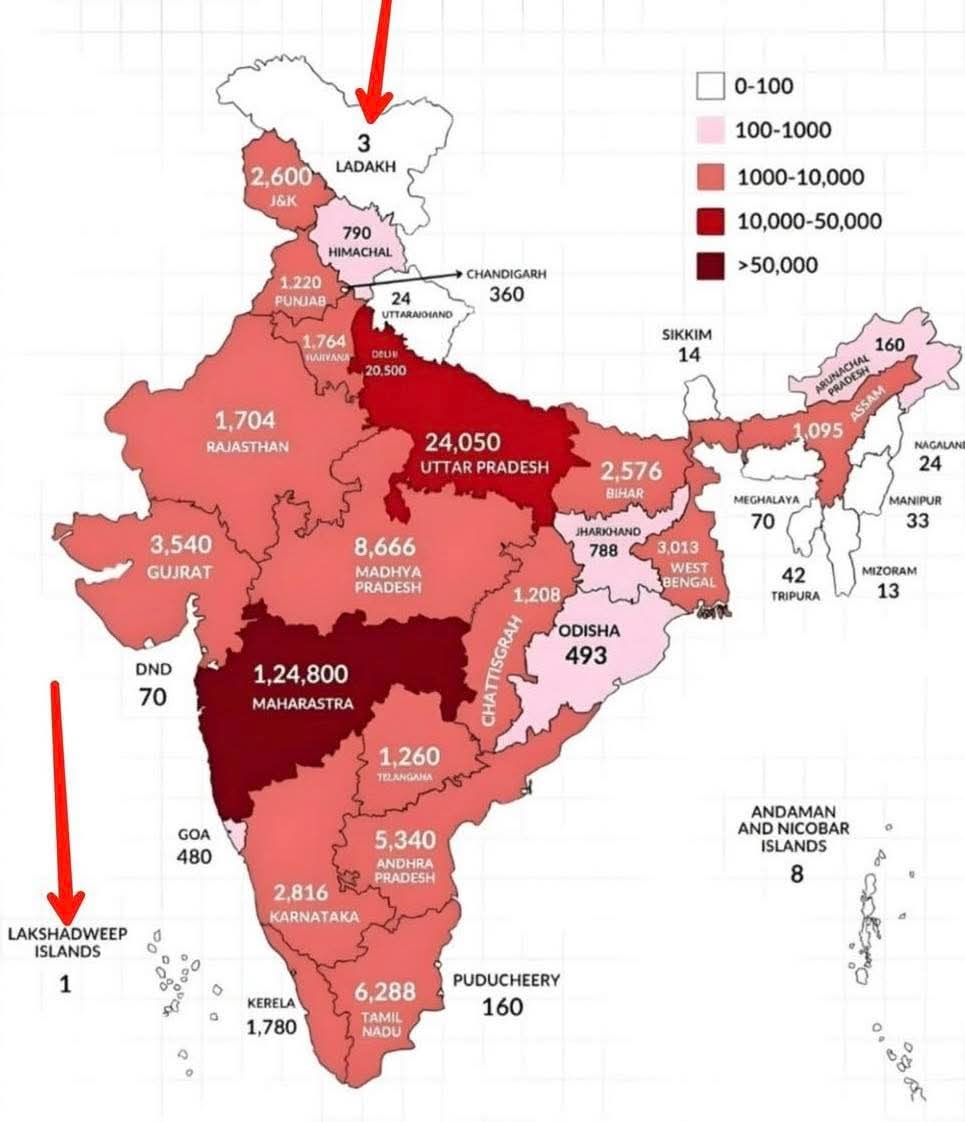
Srinagar, February 16 – A new nationwide wealth distribution map has revealed a stark economic reality for Jammu & Kashmir, with the Union Territory recording just 3 individuals in the crorepati category – one of the lowest figures in the entire country.
The data, which maps the distribution of high-net-worth individuals across Indian states and Union Territories, shows J&K trailing significantly behind most regions, highlighting persistent economic challenges despite decades of development initiatives.
A Glaring Disparity
While Maharashtra leads the nation with a staggering 1,24,800 crorepatis, followed by Uttar Pradesh (24,050) and Delhi (20,500), Jammu & Kashmir’s count of merely 3 places it among the poorest performing regions in terms of wealth creation and accumulation.
To put this in perspective, neighboring Himachal Pradesh has 790 crorepatis, Punjab records 1,220, and even the smaller state of Uttarakhand has 24 – all significantly outpacing J&K.
Understanding the Economic Gap
Economic analysts attribute J&K’s low crorepati count to multiple interconnected factors:
Security and Political Instability: Years of conflict and political uncertainty have deterred major investments and business establishment in the region. The unstable environment has prevented the kind of industrial and commercial growth seen in other states.
Limited Industrial Base: Unlike states such as Gujarat (3,540 crorepatis) or Karnataka (2,816), J&K has struggled to develop a robust industrial ecosystem. The absence of large-scale manufacturing, IT hubs, and corporate headquarters has limited wealth creation opportunities.
Geographic Challenges: The mountainous terrain and harsh winters restrict year-round economic activity and increase the cost of doing business, making it difficult for enterprises to achieve the scale needed for substantial wealth accumulation.
Brain Drain: Talented professionals and entrepreneurs from the region often migrate to metros like Delhi, Mumbai, and Bangalore for better opportunities, taking their potential wealth creation elsewhere.
Tourism Dependency: While J&K’s tourism sector has potential, its seasonal nature and vulnerability to security situations have prevented it from becoming a consistent wealth generator compared to diversified economies in other states.
Government Response
Speaking on condition of anonymity, a senior government official acknowledged the challenge: “The figures are concerning but not surprising. We are working on multiple fronts – improving infrastructure, ensuring better security, and creating investment-friendly policies to attract both domestic and international capital.”
The official pointed to recent initiatives including new industrial parks, startup incubation centers, and special economic packages designed specifically for J&K as steps toward reversing this trend.
What the Numbers Mean
The crorepati count is often viewed as an indicator of overall economic health, entrepreneurial activity, and wealth distribution. Low numbers suggest:
- Limited high-value business activity
- Fewer employment opportunities in high-paying sectors
- Reduced tax revenue for development
- Lower consumer spending power
- Decreased investment in local infrastructure and services
Comparison with Smaller Regions
What makes J&K’s situation more striking is that even Union Territories with much smaller populations fare better. Chandigarh has 360 crorepatis, Puducherry has 160, and even Goa – with a fraction of J&K’s population – boasts 480 individuals in this wealth bracket.
Path Forward
Development economists suggest that sustainable improvement requires:
- Peace and Stability: Continued efforts to ensure lasting peace to build investor confidence
- Infrastructure Development: Better connectivity, reliable power, and digital infrastructure
- Skill Development: Training local youth for high-value sectors like IT, tourism management, and specialized manufacturing
- Entrepreneurship Support: Easier access to capital, mentorship, and markets for local businesses
- Policy Reforms: Streamlined regulations and attractive incentives for businesses
Local Perspective
Businessman Rajesh Sharma from Jammu commented, “The potential is there – we have natural resources, tourism attractions, and hardworking people. What we need is sustained peace, better infrastructure, and government support to convert this potential into prosperity.”
As India continues its economic growth trajectory, the challenge for policymakers is ensuring that regions like Jammu & Kashmir aren’t left behind. The crorepati count, while just one metric, serves as a reminder of the development gap that needs urgent and sustained attention.


