


The Biz Reporter Analysis
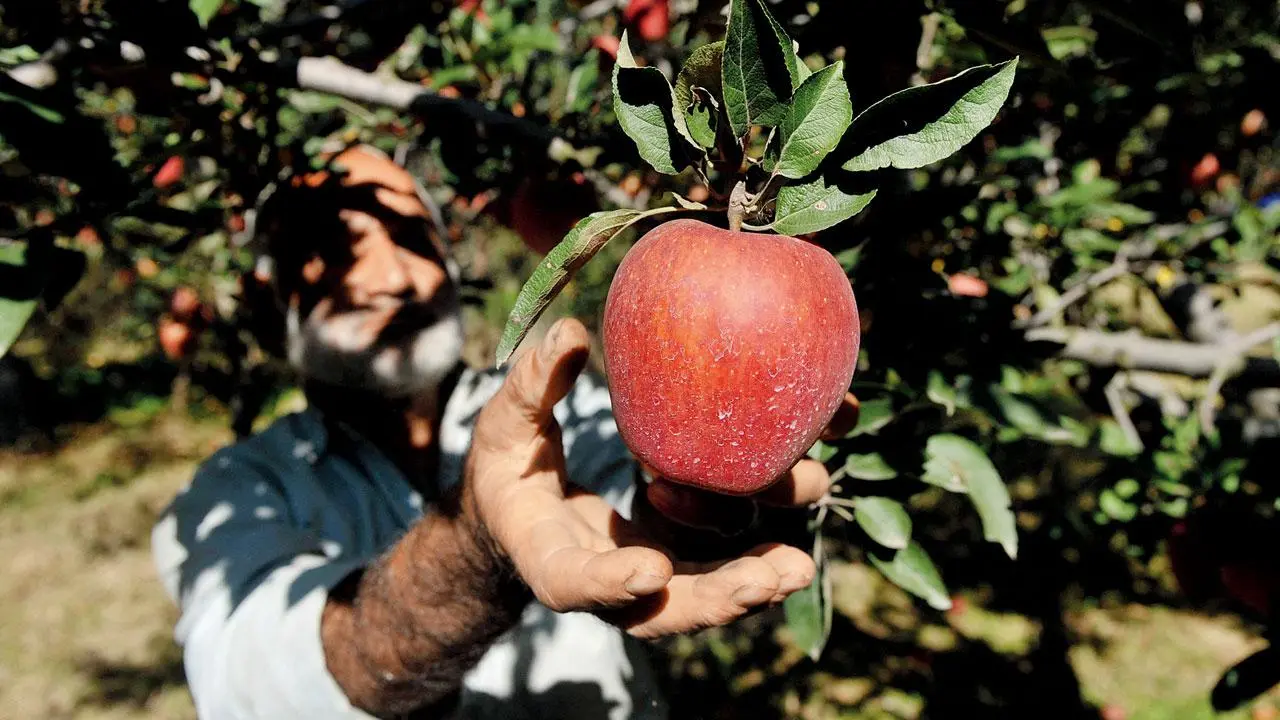
Srinagar/New Delhi, February 7 — Kashmir’s apple industry is bracing for a major blow as a newly announced US-India trade framework will eliminate or reduce tariffs on American fresh fruit imports, potentially flooding Indian markets with cheaper apples and threatening the livelihoods of thousands of growers in the region.
Under the Interim Agreement framework announced this week, India has committed to “eliminate or reduce tariffs on all U.S. industrial goods and a wide range of U.S. food and agricultural products, including dried distillers’ grains, red sorghum for animal feed, tree nuts, fresh and processed fruit, soybean oil, wine and spirits, and additional products.”
The inclusion of “fresh and processed fruit” in the tariff reduction list has sent alarm bells ringing across Kashmir’s apple belt, where the fruit is not just a crop but the backbone of the regional economy.
Kashmir produces nearly 75% of India’s apples, with over 3.5 lakh families directly dependent on apple cultivation. The region’s apple industry generates thousands of crores in revenue annually and provides employment to millions during harvest season. However, local growers already face challenges from cheaper apple imports from countries like Iran, Afghanistan, and New Zealand.
“Lower tariffs on American apples will be devastating for Kashmir’s farmers,” warned agricultural economists. “US apples, backed by advanced cold storage technology, heavy subsidies, and industrial-scale farming, could undercut local prices and make it impossible for our growers to compete.”

American apple varieties like Washington Red Delicious and Gala apples are known for their longer shelf life and aesthetic appeal, qualities achieved through advanced post-harvest technology that many Kashmiri farmers lack access to. With reduced tariff barriers, these apples could enter Indian markets at competitive prices, particularly targeting premium urban consumers.
The timing is particularly concerning for Kashmir’s apple sector, which has already been through years of disruption due to regional instability, climate change, and infrastructure challenges. Many farmers have taken loans to modernize orchards and improve quality, making them vulnerable to any market disruption.
“We’ve invested heavily in our orchards, expecting the government to protect our interests,” said growers’ associations. “Instead, this agreement opens our market to foreign competition without giving us the support or infrastructure to compete on equal terms.”
The trade framework, which reaffirms commitments under broader US-India Bilateral Trade Agreement negotiations, aims to provide “additional market access commitments and support more resilient supply chains.” However, critics argue that the benefits will flow primarily to American agricultural exporters while Indian farmers bear the cost.
While the agreement promises India will receive reciprocal tariff rates of 18% on goods exported to the US, including Indian agricultural products, the immediate impact of cheaper American apple imports could destabilize Kashmir’s economy long before any export benefits materialize.
Industry experts are calling for the government to implement safeguards, invest in cold storage infrastructure, and provide financial support to help Kashmir’s apple growers modernize and compete. Without such measures, they warn, the region’s signature crop—and the families who depend on it—face an uncertain future.
The United States and India are expected to finalize the Interim Agreement in the coming months, with implementation to follow shortly after.


