


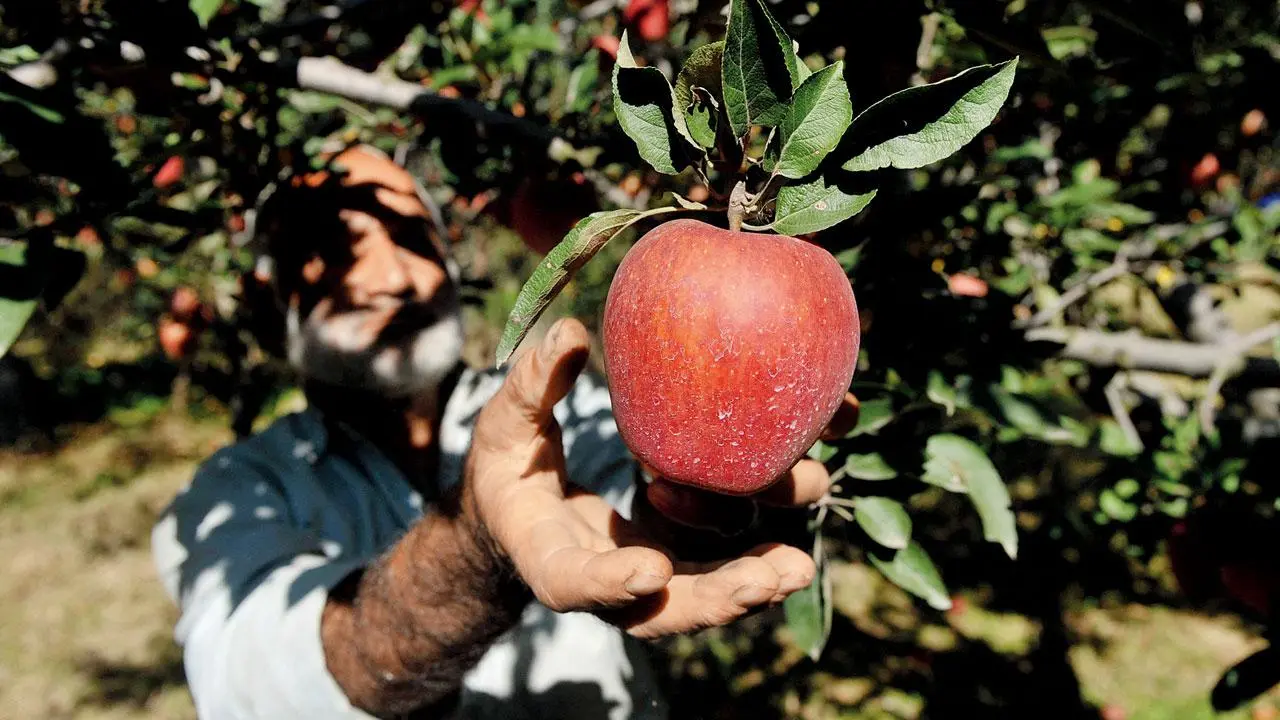
KVFGU writes to PM Modi seeking his intervention
The Biz Reporter
Srinagar, Mar 11: The announcement of “Reciprocal Tariffs” by US President Donald Trump, set to take effect on April 2, 2025, has created widespread panic among fruit growers in Kashmir Valley. The proposed reduction in import duties on Washington apples has alarmed local growers who fear significant market disruption.
The Kashmir Valley Fruit Growers Cum Dealers Union Srinagar, an elected umbrella body representing fruit growers’ associations across the region, has written to the Prime Minister expressing grave concerns. The union represents growers from Srinagar, Sopore, Baramullah, Handwara, Kupwara, Char-e-Shareef, Shopian, Pulwama, Anantnag, Jablipura, Kulgam, Pachahar, and Zazna Ganderbal.
“The horticulture industry is the backbone of Jammu and Kashmir’s economy, with over seven lakh families directly or indirectly dependent on it,” said a representative of the union. “The potential influx of cheaper Washington apples will significantly shrink the market space for domestic products.”
The union emphasized that fruit growers in the region have already endured substantial hardships in recent years, including political unrest, the devastating floods of September 2014, and unpredictable weather events that have damaged orchards.
In their letter to the Prime Minister, the union has urged the government to intervene immediately. They have specifically requested the Minister of Commerce and Industry to avoid negotiations on Trump’s reciprocal tariffs and instead push for the imposition of 100% duty on Washington apples entering Indian markets.
“Government intervention is urgently needed to protect not only Kashmir’s apple industry but also those in Himachal Pradesh and Uttarakhand,” the union stated. They warned that without protective measures, the livelihoods of millions of small and marginal growers across these regions would be threatened.
Industry experts note that while India is one of the world’s largest apple producers, imported apples have already created challenging market conditions for domestic growers. The further reduction in tariffs could potentially devastate local production and result in significant losses to the state exchequer.
The union has requested immediate attention to their concerns to provide relief to the beleaguered fruit industry before the new tariff structure takes effect next month.


