


New Delhi, April 14 (IANS) Young adults with increased stress in their lives, and who live a sedentary lifestyle with no exercise and also eat a poor diet may be at high risk of developing irritable bowel syndrome (IBS), according to health experts on Sunday.
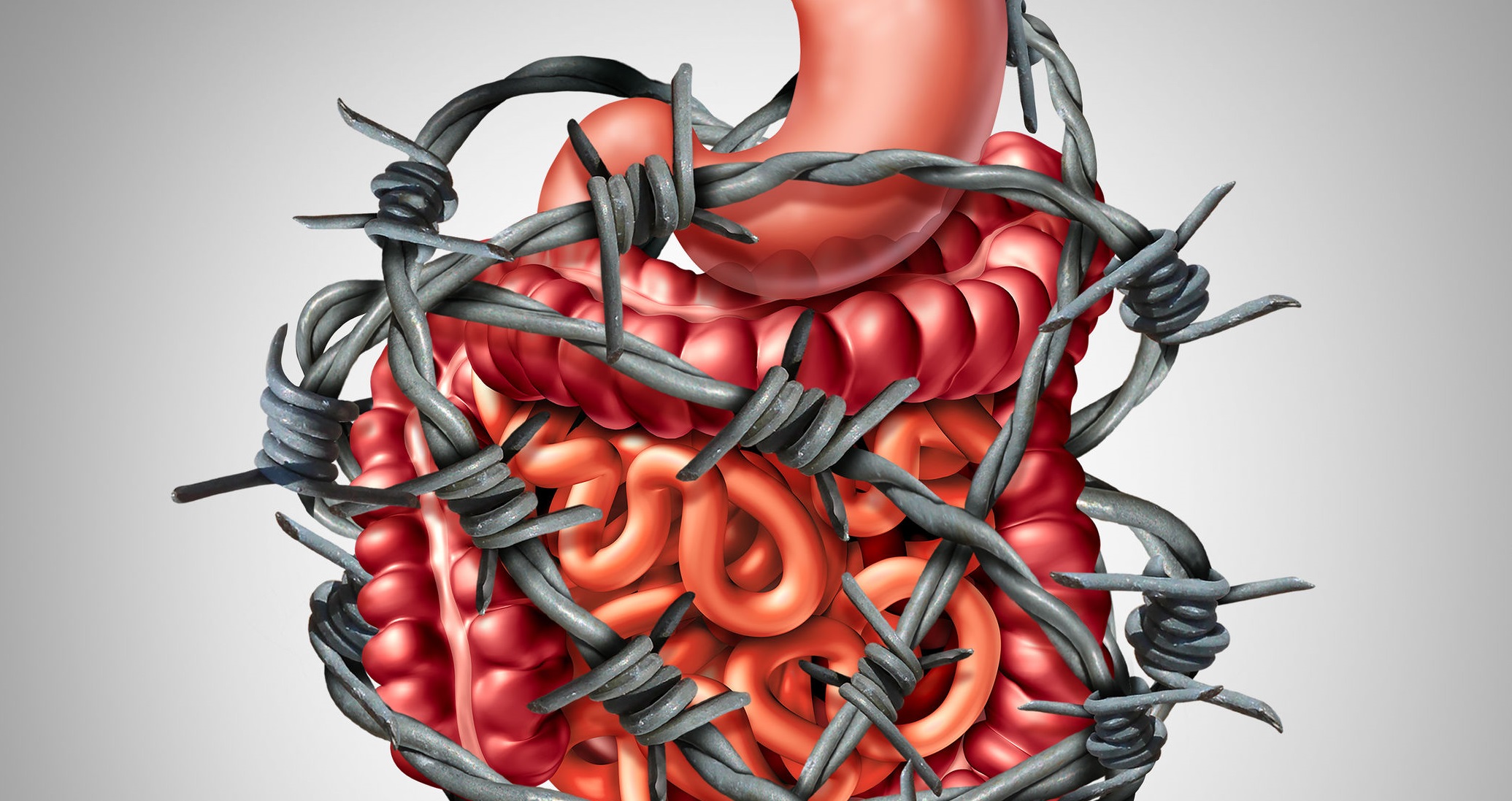
IBS is a common disorder that affects the stomach and intestines, leading to abdominal cramping, diarrhoea, constipation, bloating, and gas.
While there are no specific causes of IBS, it may be related to an overly sensitive colon or immune system, said health experts.
“Irritable Bowel Syndrome is a form of gastrointestinal disorder. It is most commonly reported among young people in the age group of 20-40 due to increased stress, sedentary lifestyle, and poor dietary choices,” Bir Singh Sehrawat, Director and HOD-Gastroenterology, Marengo Asia Hospitals, Faridabad, told IANS.
The young are more at risk as consumption of fast food that is spicy, oily, and also contains added sugars, salts, fats, and artificial ingredients; and intake of aerated drinks are high among the young generation. These food items not only lack nutrition but also can impact the balance of gut bacteria triggering IBS symptoms.
Further, excessive mental stress can create hormonal disturbances which may have an impact on digestion. Anxiety also changes the regulation of blood and oxygen throughout the body which impacts the stomach causing diarrhoea, constipation, gas, or discomfort.
These factors are leading “to a rise in cases of IBS in India”, Manish Kak, Consultant Gastroenterology, Manipal Hospital, Ghaziabad, told IANS.
He explained that although IBS does not damage the digestive tract nor does it increase the risk of colon cancer, it can be a long-lasting problem that changes daily routine.
To reduce the risk of IBS, one must adopt a fibre-rich diet, refrain from alcohol use, do regular exercise, and manage stress through yoga and meditation.
However, the doctors warned not to overlook the symptoms of IBS such as bloating, constipation, diarrhoea, excessive strain when passing a stool, repeated belching, abdominal pain, or cramps, particularly with bowel movements.
“On experiencing these symptoms, consult a gastroenterologist. If left untreated, IBS can hit the colon, or large bowel, which is the part of the digestive tract that stores stool,” Bir said.


