


:
Date: March 4, 2026
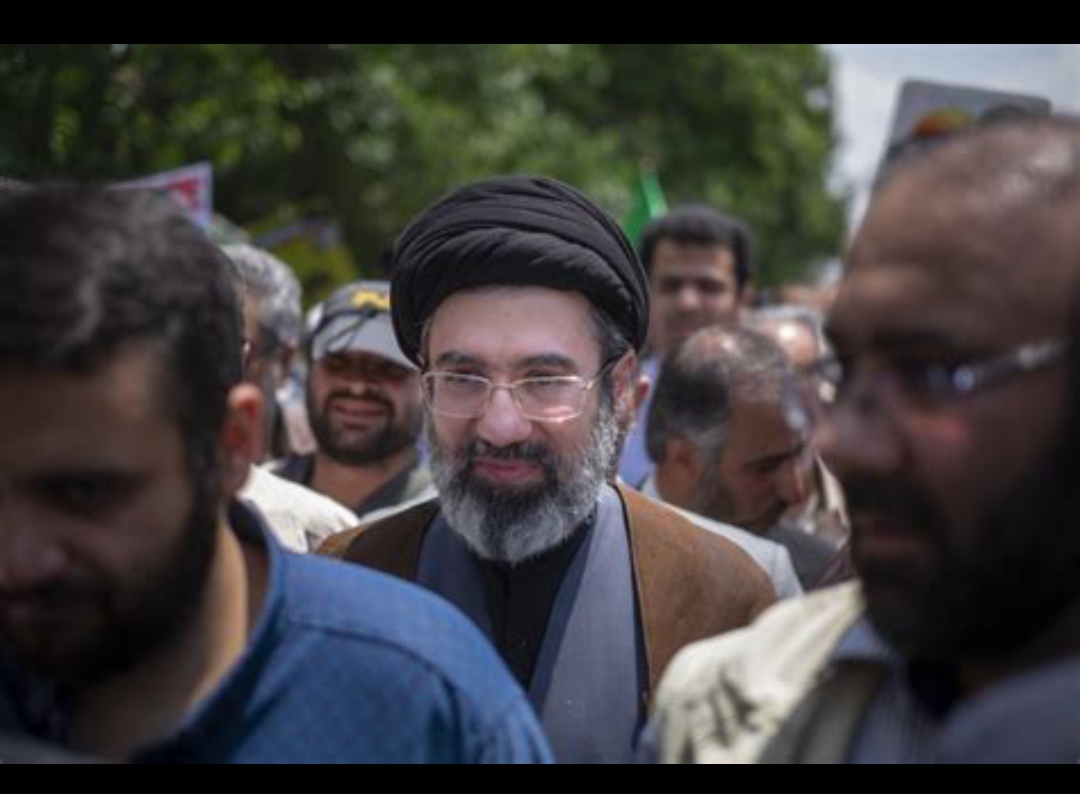
In an unprecedented and highly controversial move, Iran’s clerical ruling body — the Assembly of Experts — has reportedly elected Mojtaba Khamenei as the Islamic Republic’s next Supreme Leader, according to multiple independent and regional news outlets.
This decision marks a dramatic moment in Iranian history, potentially ushering in a father-to-son transfer of power rarely seen since the 1979 Islamic Revolution. Observers say the move reflects the growing influence of Iran’s powerful Revolutionary Guard Corps (IRGC), which is believed to have pressured clerics into backing Mojtaba’s appointment.
Background to the Transition
The leadership change follows the death of long-time Supreme Leader Ayatollah Ali Khamenei, who was reportedly killed in joint U.S.-Israeli airstrikes days earlier — a development confirmed by Iranian state media after initial conflicting reports.
After his death, an Interim Leadership Council made up of senior Iranian officials took temporary charge, including President Masoud Pezeshkian and judiciary and clerical leaders, while the Assembly of Experts deliberated on a permanent successor.
Controversy Surrounding the Appointment
Mojtaba Khamenei, the second son of Ayatollah Khamenei, is a cleric with strong ties to conservative elements and the IRGC, but he has never held a major official state position — a key difference from past Supreme Leaders. Critics argue that his nomination represents a shift toward hereditary succession, something Iran’s system traditionally rejected in favor of merit-based clerical leadership.
Despite these concerns, sources say the Assembly of Experts reportedly approved his leadership under pressure from the IRGC, a move analysts warn could consolidate military-political power in Tehran and further deepen controversy domestically and internationally.
Domestic and Global Reactions
Inside Iran, reactions are mixed: hard-line factions welcomed the decision as a continuation of the Islamic Republic’s ideological path, while reformists and protest groups criticized the process as lacking transparency and broad legitimacy.
Internationally, leaders and analysts are watching closely, given Iran’s central role in regional geopolitics and ongoing tensions with the United States, Israel, and Gulf states.
What’s Next
Officials have yet to provide a formal state announcement of the leadership change, and the clerical elite may delay public confirmation amid concerns over security threats and potential foreign attacks. The full implications for Iran’s internal governance and foreign policy remain to be seen, as the nation adjusts to this historic shift in authority.
If you want, I can also provide a timeline of events that led up to the leadership change or a brief explainer on what the Supreme Leader’s role means in Iran’s political system!


