


By The Biz Reporter | Analysis
Reports of fresh attacks on vessels attempting to pass through the Strait of Hormuz have raised alarm across global shipping and energy markets, reviving fears that the Middle East conflict could disrupt one of the world’s most critical energy chokepoints.
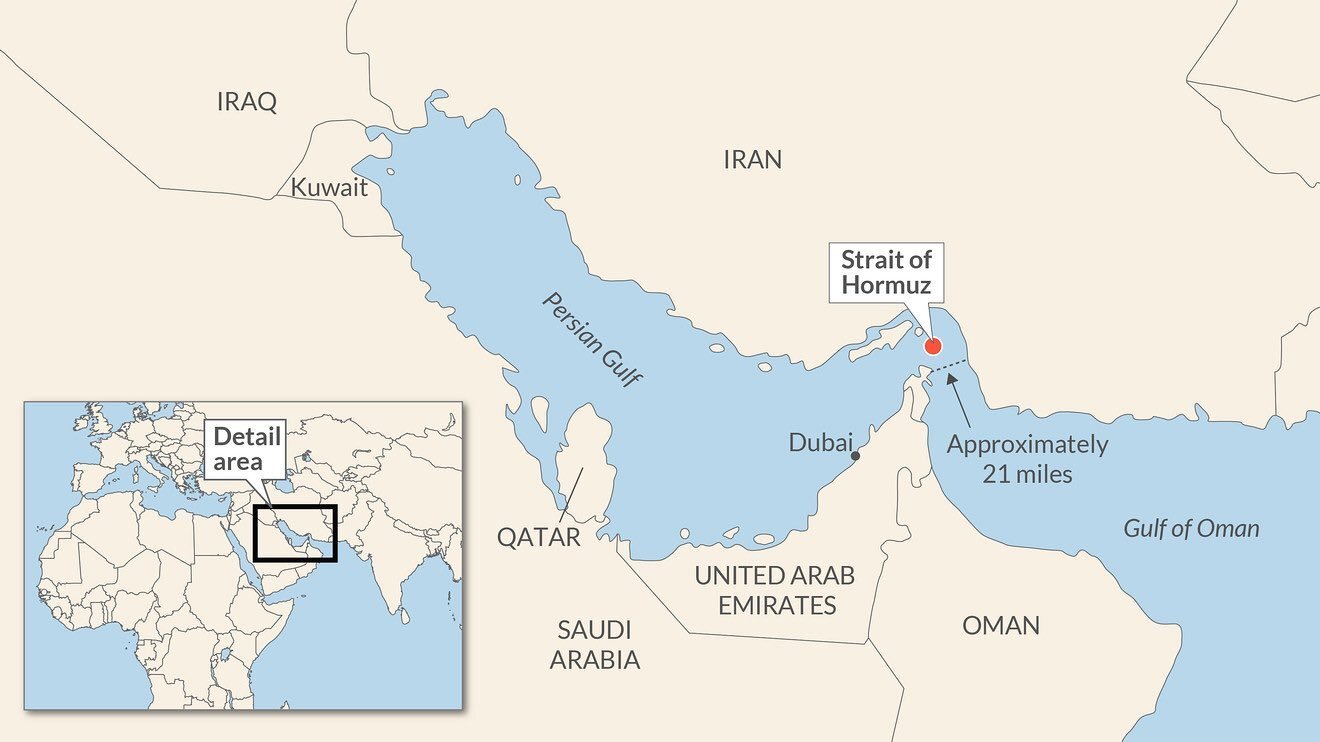
The Strait of Hormuz, a narrow waterway between Iran and Oman, handles nearly 20–21 million barrels of oil per day, roughly one-fifth of the global oil supply. Any sustained disruption in this corridor could have far-reaching consequences for oil markets, global trade, and financial systems.
Rising Maritime Risks
Shipping companies closely monitor security developments in the Strait because the waterway is essential for oil exports from Saudi Arabia, Iraq, Kuwait, the UAE, and Qatar.
If attacks on vessels continue, the first major shock could emerge in maritime insurance markets. War-risk premiums for ships operating in conflict zones typically surge rapidly after attacks. When insurance costs spike sharply, many shipping firms reconsider operating in those waters, effectively reducing tanker traffic even without an official blockade.
A decline in tanker movement through Hormuz would tighten global oil supply almost immediately.
Oil Prices Could Spike
Energy markets are highly sensitive to supply disruptions in the Gulf. If shipments decline significantly, analysts warn that oil prices could surge sharply, potentially moving beyond $120–$150 per barrel, depending on the scale and duration of the disruption.
Unlike many other commodities, oil cannot easily be rerouted at scale. Alternative pipeline routes from Gulf producers exist but cannot replace the full volume transported through Hormuz.
Higher crude prices would quickly translate into:
- Rising petrol and diesel prices worldwide
- Higher transportation and logistics costs
- Increased manufacturing expenses for industries using petrochemicals
Global Supply Chains at Risk
Oil is not only an energy source but also a critical input for plastics, chemicals, fertilizers, and manufacturing materials. A sudden price surge or supply disruption could ripple across global supply chains.
Industries dependent on petrochemicals—from agriculture to automotive production—would likely face higher input costs and potential production slowdowns.
The impact could resemble the global supply chain disruptions seen during the COVID-19 pandemic, but with energy costs amplifying the shock.
Financial Market Volatility
Equity markets typically react sharply to geopolitical crises affecting energy supplies. Prolonged disruption in the Strait of Hormuz could trigger:
- Sharp corrections in global stock markets
- Increased volatility in commodity markets
- Capital flight toward safe-haven assets such as gold and government bonds
Central banks would face a difficult balancing act if energy-driven inflation rises while economic growth slows.
Implications for India
For India, one of the world’s largest oil importers, instability in the Gulf would have direct economic consequences.
Nearly 60–65% of India’s crude oil imports originate from the Middle East, much of which passes through the Strait of Hormuz.
Any sustained disruption could lead to:
- Higher fuel prices domestically
- Increased inflationary pressure
- Wider trade deficits due to expensive energy imports
For regions like Jammu and Kashmir, where transportation costs already influence food and commodity prices, such shocks could quickly translate into higher cost of living.
The Strategic Chokepoint
The Strait of Hormuz has long been viewed as the most important energy chokepoint in the world. While past tensions have triggered temporary disruptions, a prolonged blockade or sustained attacks on shipping would represent a far more severe escalation.
For now, global markets are watching developments closely. Even the perception of risk in this narrow passage can move oil prices and financial markets dramatically.
Whether the situation escalates into a sustained disruption or remains a short-term security crisis will determine the scale of the economic fallout. But one thing is clear: any instability in the Strait of Hormuz carries consequences far beyond the Middle East.


