


Washington says strikes targeted Iranian forces preparing to deploy sea mines in the Strait of Hormuz; Tehran retaliates with missile and drone attacks on US bases in Jordan
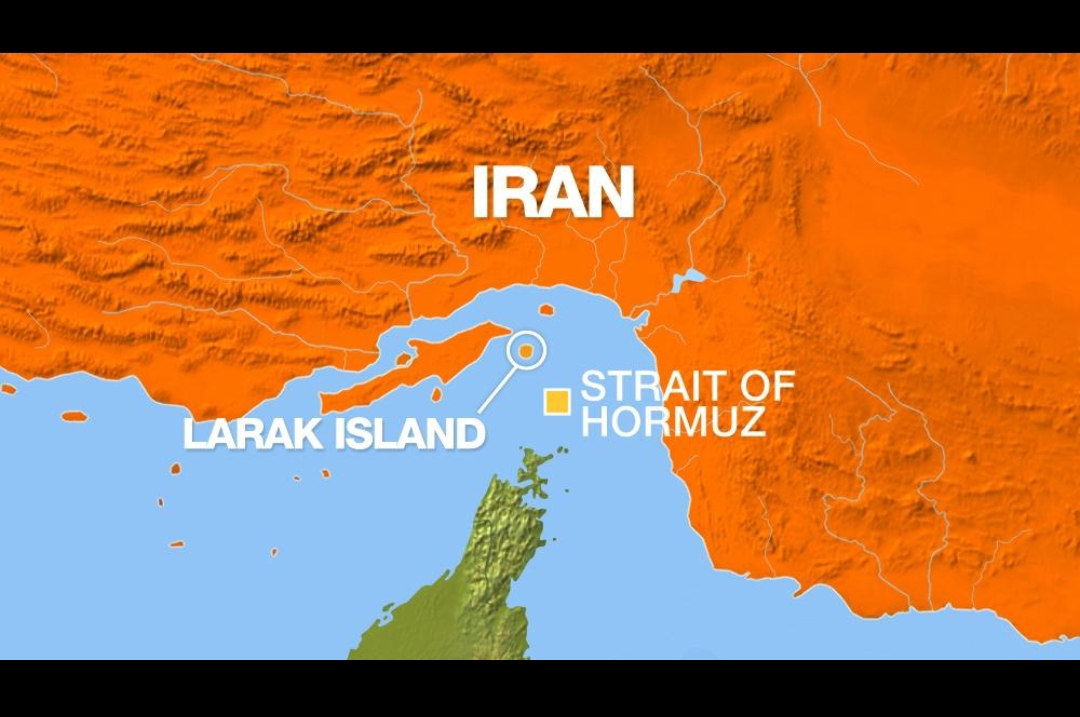
Srinagar, August 31: The United States has launched fresh strikes against Iran after a month-long lull in direct military action, targeting Iran’s Larak Island in the Strait of Hormuz and triggering retaliatory missile and drone attacks by Tehran against US military facilities in Jordan.
The US Central Command said American forces struck two Iranian launchers on Larak Island on Sunday after Iranian Revolutionary Guards were observed preparing to launch rockets carrying sea mines into the Strait of Hormuz.
Captain Tim Hawkins of US Central Command said the strikes were aimed at preventing an imminent threat to commercial shipping and civilian vessels using the strategically important waterway.
“US forces took limited, precise action against IRGC minelaying forces posing an imminent threat in the Strait of Hormuz,” CENTCOM said, rejecting Tehran’s characterization of the attack as an act of aggression.
Iranian state media reported that the attack was carried out by drones and that several soldiers and civilians were killed or wounded. The Islamic Revolutionary Guard Corps (IRGC) described the strike as a “fatal mistake” by the Trump administration and warned that the United States would face military and economic consequences.
The latest escalation comes after Washington had shifted its focus towards economic pressure on Tehran rather than renewed military action. US President Donald Trump had indicated that he was not in a hurry to bring Iran back to negotiations, while his administration pursued measures aimed at isolating Iran economically.
Why Larak Island?
Larak Island occupies a strategically important position near the Strait of Hormuz, one of the world’s most important energy shipping routes. Iran has used islands and coastal positions in the area to maintain surveillance and exert influence over maritime traffic.
Sina Azodi, director of the Middle East Studies Program at George Washington University, said Iran had concentrated assets used to control the Strait of Hormuz on Larak Island.
The US strike therefore appears aimed not only at preventing the deployment of naval mines but also at degrading Iran’s ability to monitor and potentially disrupt shipping through the waterway.
The American action also fits Washington’s stated priority of keeping the Strait of Hormuz free of mines. Any widespread mining of the waterway could threaten commercial shipping and disrupt global oil and liquefied natural gas supplies.
Iran retaliates
Within hours of the US strike, Iran retaliated by launching ballistic missiles and drones towards two US-linked air bases in Jordan — King Hussein and Al-Azraq.
The IRGC claimed that its attacks targeted technical infrastructure, maintenance facilities and positions used by US fighter aircraft, and said the strikes caused heavy damage.
Jordan, however, said its air-defence systems intercepted and destroyed eight missiles that entered its airspace. The Jordanian military said the projectiles were neutralised before they could threaten civilians or property.
A US official described the Iranian missile attack as evidence that Tehran’s military capabilities had been weakened, while confirming that Iran had fired medium-range ballistic missiles towards Jordan.
New escalation in six-month war
The exchange marks a significant escalation after weeks in which direct US-Iran military operations had largely paused.
The US had last struck Iran on July 29, when Washington said its forces had responded to an attempted surprise attack on American personnel in the region.
The latest strikes also come amid renewed tensions over the Strait of Hormuz. Iran has sought to retain leverage through its ability to threaten or disrupt maritime traffic, while Washington has repeatedly stressed the importance of keeping the waterway open.
Trump has meanwhile continued to portray Iran as being under severe military and economic pressure. On Sunday, shortly after the Larak strike, he also posted an AI-generated video depicting the bombing of Iran’s Kharg Island, further raising concerns about the possibility of additional attacks.
Diplomatic efforts involving mediators including Pakistan and Qatar have so far failed to produce a lasting settlement. Although a ceasefire was reached in April and a memorandum of understanding towards a final peace agreement was signed in June, a comprehensive peace deal has yet to emerge.
The Larak strike and Iran’s subsequent attacks in Jordan now raise the possibility that the conflict could enter another phase of direct confrontation, with the Strait of Hormuz remaining a key flashpoint.


